




When Systems Fall Short, Volunteerism Steps In
Around the world, non-profit and refugee-serving organizations are facing mounting pressure as the cost-of-living rises, migration patterns shift, and funding for international aid declines. At the same time, needs related to food security, settlement support, and workforce integration have become more complex and urgent. In this context, volunteerism is no longer simply a welcome addition; it is a critical response. Volunteers bring skills, lived experience, and professional expertise that expand organizational capacity and strengthen community impact.
Rising Pressures on Refugee-Serving Organizations in Canada
By mid-2025, the number of forcibly displaced people worldwide reached an estimated 117.3 million (UNHCR, 2025). This unprecedented level of displacement has contributed to a significant increase in asylum claims in Canada, placing sustained pressure on federal and provincial systems and on the organizations that support refugees upon arrival (Government of Canada, 2025).
At the same time, refugee-serving organizations are navigating a housing affordability crisis, limited income supports, and growing service complexity. Organizations supporting refugees are facing increasingly complex and intersecting needs within the communities they serve, such as trauma-informed care, language support, credential recognition, and pathways into meaningful employment, without proportional increases in funding or staffing capacity.
In response to domestic pressures, the federal government has reduced immigration targets, a move that risks exacerbating long-term labour shortages while shifting greater responsibility onto community-based organizations (OCASI, 2024). As immigration is increasingly framed as a driver of housing scarcity, refugee-serving organizations are tasked not only with service delivery but also with countering misinformation and advocating for evidence-based policy.
This widening gap between need and capacity has reshaped how organizations operate. Staff are stretched across multiple roles; innovation is often constrained by limited resources, and the ability to scale effective programs depends on access to additional human capital. It is within this context that volunteerism becomes essential, not as supplemental support, but as a strategic means of sustaining and expanding impact.
Volunteers as Force Multipliers
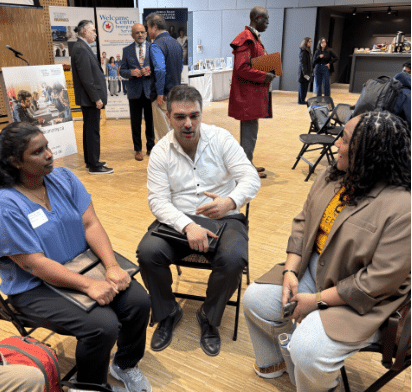
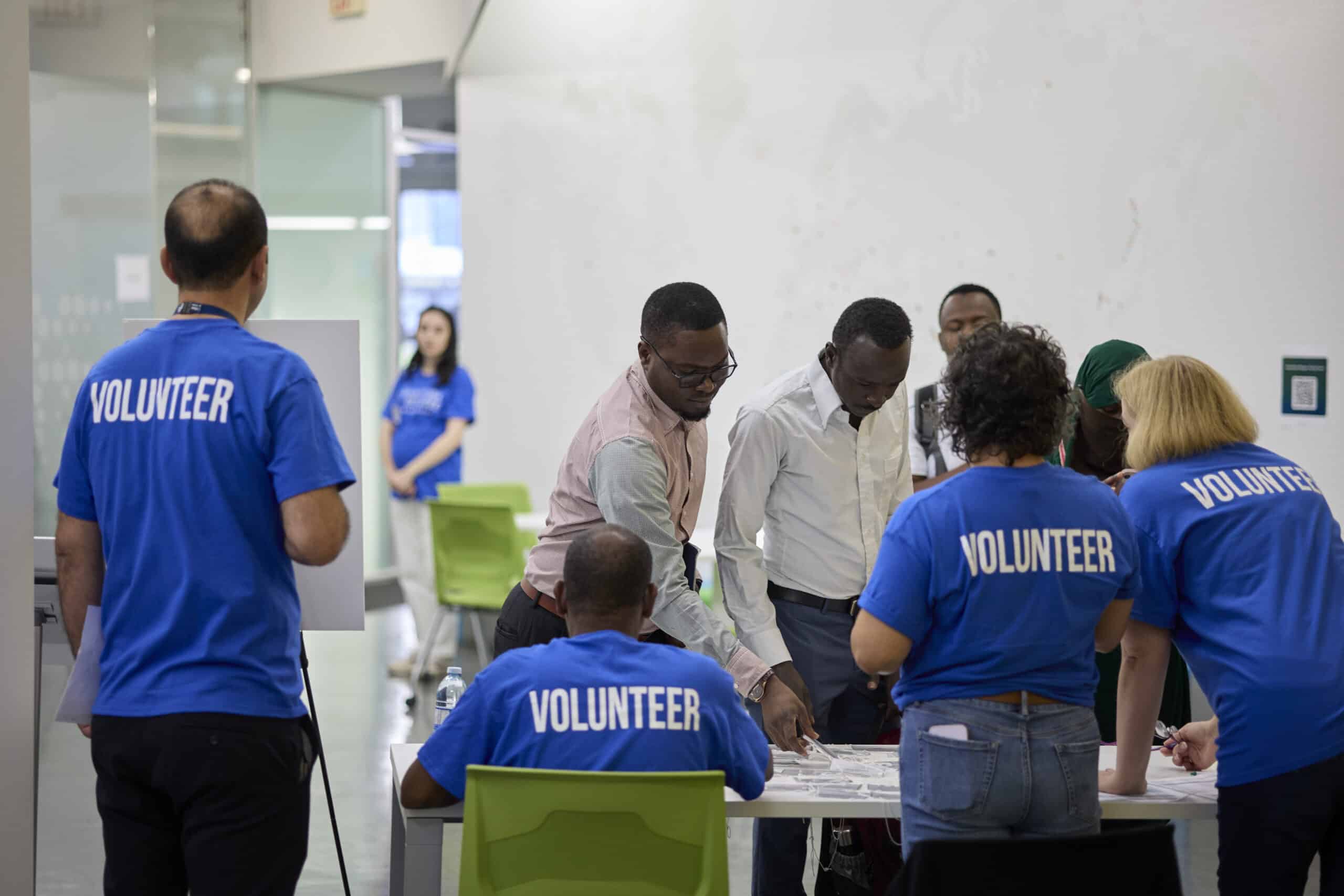
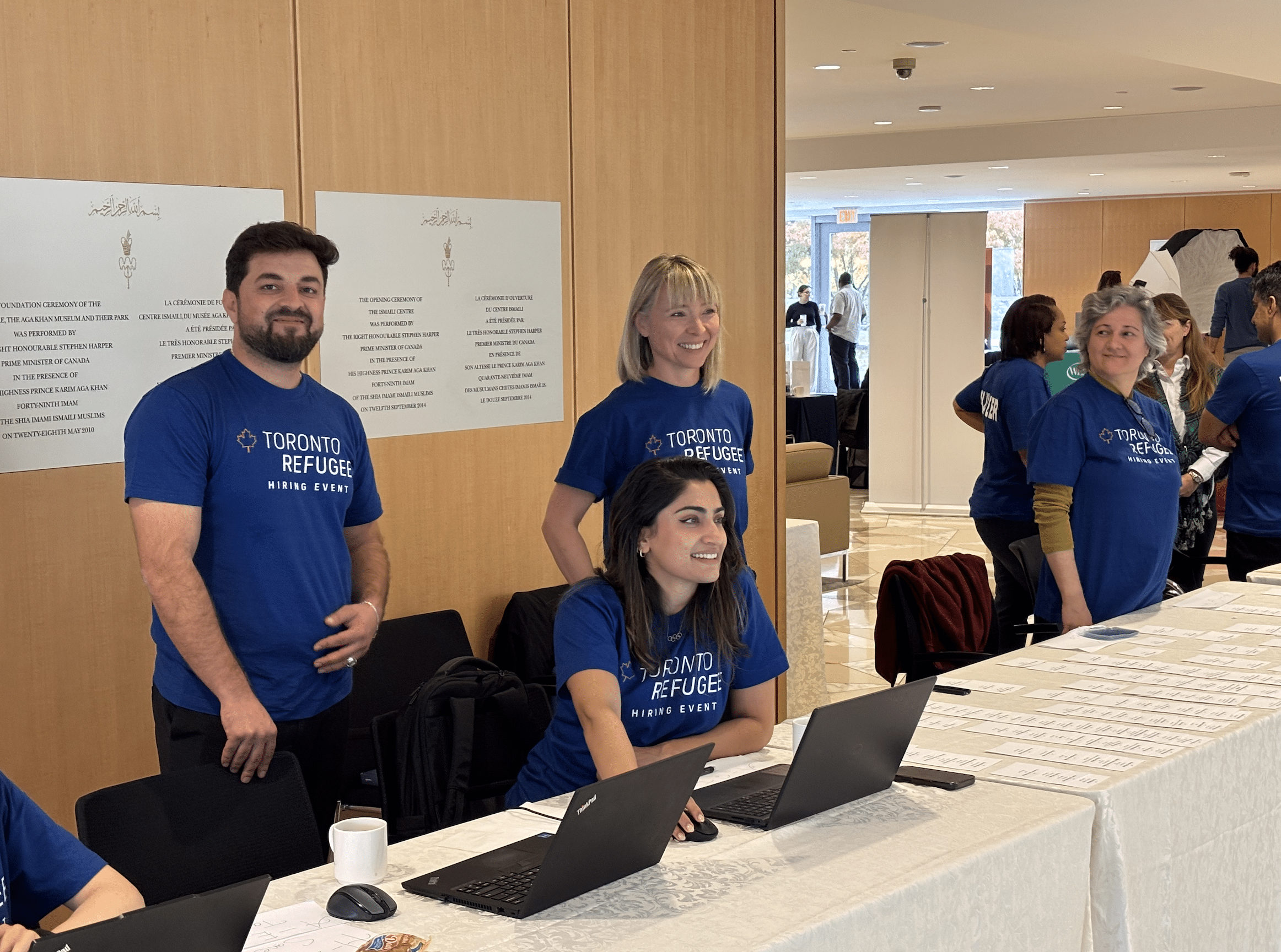
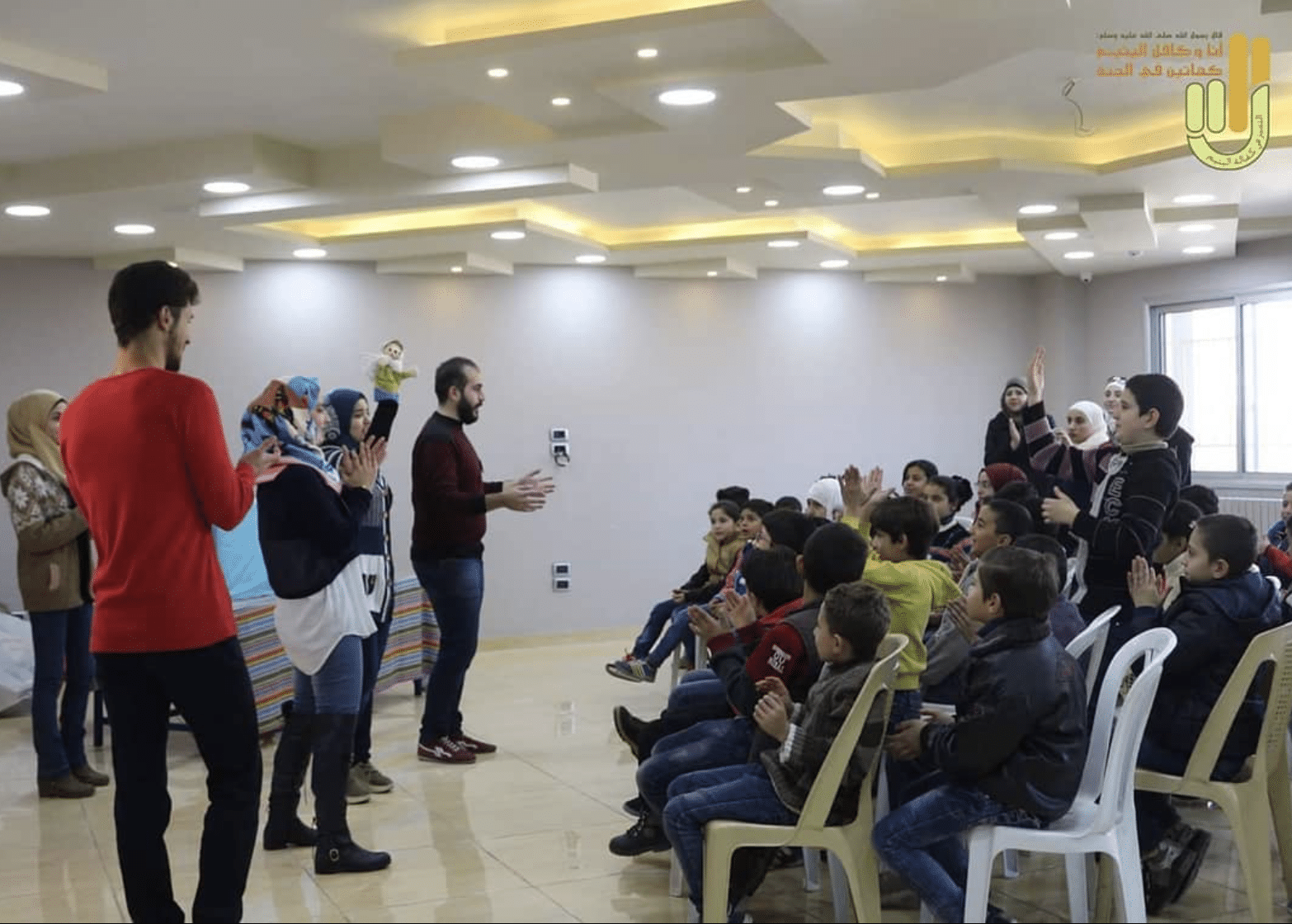
In this strained environment, volunteers are not simply providing extra hands; they are multiplying the impact of already overextended organizations. By contributing specialized skills, professional expertise, and lived experience, volunteers allow nonprofit and refugee-serving organizations to do more with limited resources. From language support and mentorship to research, communications, and program delivery, volunteers help expand both the reach and effectiveness of essential services.
Volunteers also bring perspectives that strengthen service design and delivery. Many have firsthand experience navigating migration, settlement, or workforce integration systems, enabling organizations to respond more thoughtfully to the realities newcomers face. This insight improves program relevance and ensures services are grounded in community needs rather than assumptions.
When volunteer roles are intentionally designed, their impact extends beyond individual tasks. Volunteers enable staff to focus on complex casework, long-term strategy, and partnership development, and strengthen organizational sustainability. In this way, volunteerism functions as a force multiplier by amplifying capacity, resilience, and impact at a time when communities can least afford to lose them.
Call to Action
At a time when community needs continue to outpace available resources, even small contributions of time and skill can make a meaningful difference. Volunteerism does not require starting from scratch as many organizations need the same skills you use every day in your professional and personal life. Consider one skill you already have and how it could support a refugee-serving organization right now. Collective impact begins with individual action.