






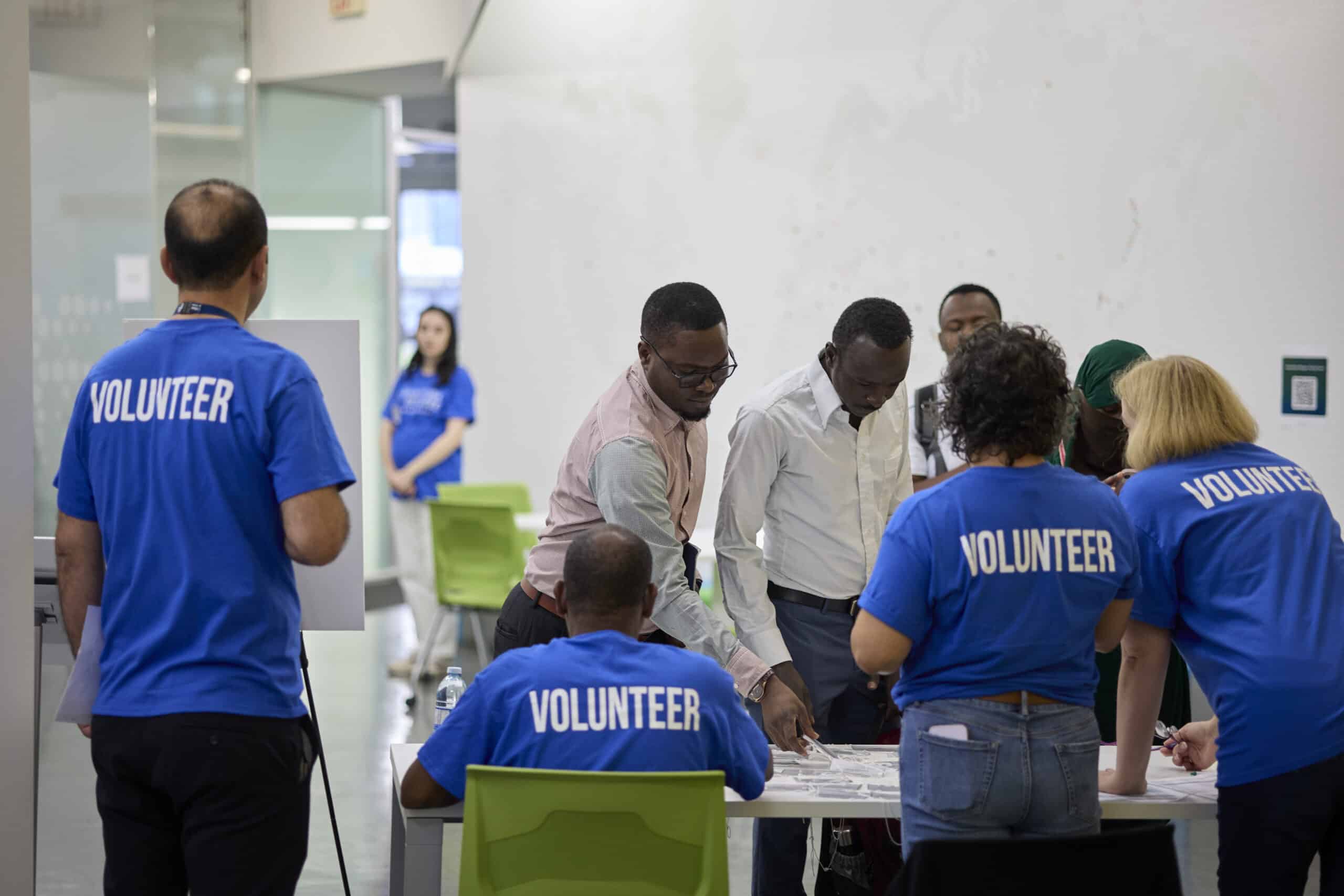
Refugee Identity Building
As individuals, we are constantly evolving. Emotions, education, occupations, and family experiences are all examples of factors that can shape one’s identity. For refugees, moving to a new country with unfamiliar cultures, languages, and norms can be intimidating yet hopeful.
It is important to remember that identity-building does not end when refugees are displaced and forced to move to a new nation. Rather, their identities continue to evolve during various transitions in their life, especially when they are navigating careers. This blog outlines how important it is for refugees to continue moving forward in their job-seeking journeys with perseverance and open-mindedness to embrace a new chapter in their lives, whilst honoring their authentic selves.
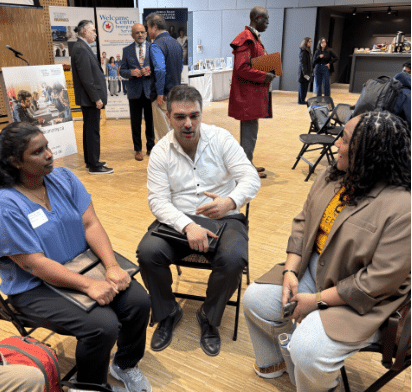
Transitioning Careers
Refugees come with unique sets of skills and experiences that may not be easily recognized in their country of refuge due to structural gaps, including credibility concerns for certain foreign institutions and/or a lack of documentation. Refugees may have to take on jobs that are misaligned with their aspirations or experiences to meet their day-to-day needs and may struggle to move on from job positions that do not allow for growth in social mobility. These unique struggles make career transitions difficult for refugees because they may focus on finances out of necessity, leaving little room to pursue their passions.
There is also a range of social issues, in addition to these “formal” issues. Some refugees may be expected to quickly adapt and assimilate into a nation that has different cultural expectations and behaviours. In workplaces that may revolve around power dynamics and established standards, refugees may feel pressure to alter their accents, speak “perfect” English, and keep boundaries to avoid feeling like “outsiders” and face discrimination.
In the midst of efforts to adapt, refugees may face difficulties remaining authentic to their familiar cultures and values, which can cause them to experience uncertainty about who they are and who they want to be.
Leading with Authenticity
When shifting to a new workforce, refugees should let their strengths and aspirations guide their every step. This does not mean that they should avoid change or adaptation; rather, they should embrace growth and development, which help build character and allow one to explore possibilities. Authenticity is all about being honest with yourself about your own progress and what you want from life.
Some specific tips for refugees include:
- Maintaining confidence and assertiveness: Identify your strengths and be proud of the journey you have embarked on. Identify firm boundaries or “non-negotiables,” which include beliefs and principles you cannot compromise, like honesty and accountability.
- Engaging in self-reflection: Take some time to pause and think about how you are feeling and if your needs, whether they are mental, physical or emotional, are being met. Try to adjust your behaviour and find ways to cope, such as engaging in hobbies, journalling, or just having some time alone.
- Ensuring your actions reflect your goals and values: If you feel like you are not completely satisfied with your occupation, try to be proactive and take part in other initiatives, like mentorship programs, that may spark your interest. Even outside of employment, participating in diverse community gatherings and events can help you feel grounded and have a sense of belonging.
Refugees should also try to be intentional about the kinds of work environments they intend to join:
- Workplaces that focus on strength-based hiring: This means employers who recognize your strengths and see your potential, despite the weaknesses you may have. Observe how they talk about opportunities to grow in the workplace.
- Workplaces that celebrate diversity and differences: Consider both their actions and words. Is communication between staff respectful? Do staff demonstrate a level of cultural awareness? Is there any support for special onboarding?
- Workplaces that allow accommodation: Ask about the flexibility of hours or schedules. Employers should not make you feel guilty about making any respectful requests or questions relating toaccommodation.
Final Thoughts
Seeking refuge in a new country is a daunting experience. Many turn to employment to make ends meet and feel connected to the country that has offered them safety and a new beginning. In this journey, however, refugees must maintain dignity and stay aligned with their true selves to prevent feeling as though life is a performance that requires a mask. Starting over should never require an individual to erase who they are. Your identity is not something to hide; it is something to continuously build upon.